A Decadent Literary Period

November 15, 2009

All literary periods decline into coteries, with poets and writers attempting to shore up one another. In fact, it’s part of human nature, to herd together, huddle for warmth, comfort, create a department. The weak and cowardly are especially given to this impulse. While it increases what passes with many for survival, those who go out of the cave in pursuit of the Real are the ones who slay the Beast, ultimately providing provender for the fearful and vulnerable.

That is what all the great poets and writers did. Rabelais and Cervantes, Melville and Robert Frost, many others, into their heart and soul, not some contemptible university or creative writing program and the subsidies that keep their seemingly hegemonic dominance afloat.

I first subscribed to Poets & Writers when it was the earliest incarnation of a newsletter, the name of which escapes me now, in the 1970s. It was evident even then, to me, that a coterie was forming, analogous to so many, as with the Provencal poets, Japanese literature from time to time, and elsewhere. That it has become the rapacious monster that it has is no surprise, known to all, who are discerning. I have thought for decades that there is only one way to slay it. The test and ordeal of the spirit that the greatest writers have always had to face and go through. That of writing the book that overturns the entire prevailing outlook, as Cervantes did with all the cloying works of chivalry. In other words, it must be earned through perseverance (Johnson on Shakespeare), diligence, independent study, confronting the darkness in one’s own soul and time, and the blessings of the Muse.

Nothing could be more contrary to the cynical, contemptible university system of patronage and extortion of public funds, by poetry bureaucrats, which passes for literature today. All the more reason that the lone, solitary writer, dedicated to the literary tradition of what is the most noble and true in human nature, seeking the truth, not tenure, service, not the approval of parasites, can, as Saul Bellow phrased it once, bury them, and reorient aright the great ship of literature.

Frederick Glaysher

Original post, comment #3, Scarriet, TENETS of FAITH: Being Right on the AWP, BAP, P&W, AoAP and even the PFoA
Leave a Comment

Filed under Universality

Aristotle’s Poetics and Epic Poetry

Aristotle

Aristotle

Aristotle’s Poetics and Epic Poetry

As of May 27, 2011, I’ve revised each book of The Parliament of Poets through Book VII, since finishing the full rough draft of the entire epic in early February. Past the half way mark of revision feels very good and inspires me to want to push on through the rest of it during the next several weeks, perhaps before the end of the summer, a readable draft of the entire book.

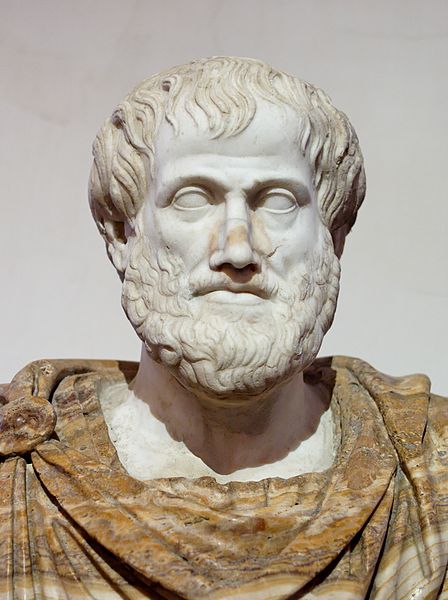
It was as a young poet, holed up in some rental room or house, choosing to live in poverty in order to have the time to study and write, in Detroit or in the country, none of my family or friends understanding what I was doing, that I first read Aristotle’s Poetics, some thirty-five years ago. I reread it many times, or parts of it, going back to it through the years. It is the touchstone of the literary art….

Now available in

The Myth of the Enlightenment: Essays
Forthcoming, September, 2014.

https://www.earthrisepress.net/myth_of_the_enlightenment.html

Frederick Glaysher

2 Comments

Filed under Epic

Michigan from a Great Height

Michigan

Michigan from a Great Height

Michigan from a Great Height

March 31, 2011

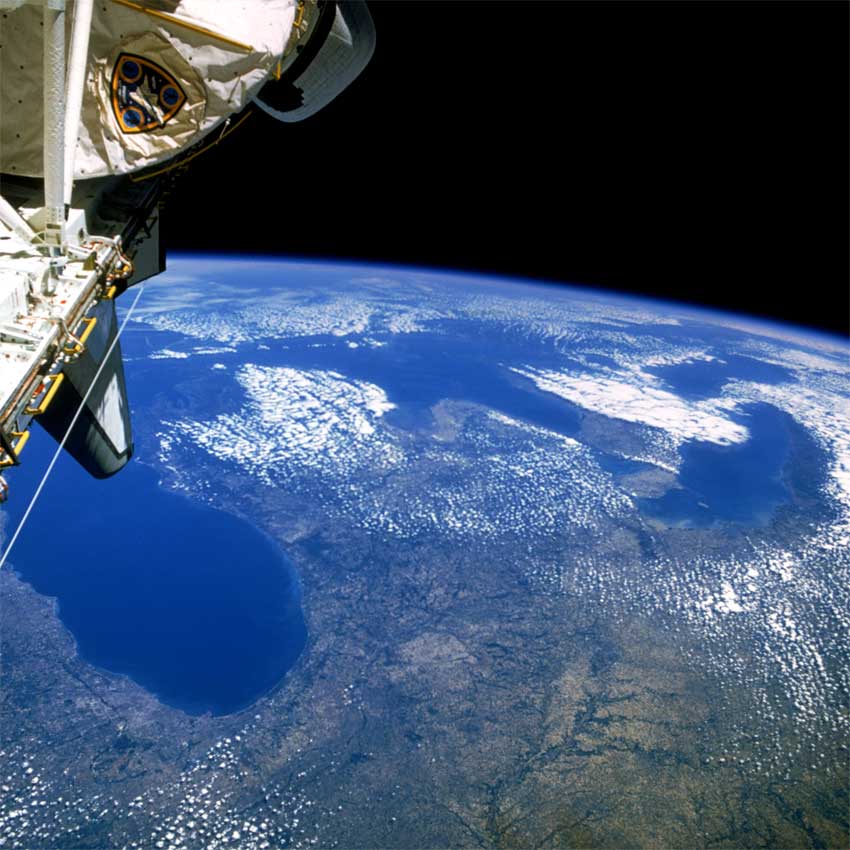
I was climbing with someone up a great hill that became nearly a mountain. It was a beautiful Michigan day, in the afternoon, as we walked through green and open spaces, rising above the trees and forest. I sensed I was in the Upper Peninsula or the northern part of the lower peninsula, looking south.

I reached and stood on a very high hillock at the top of the gentle, sloping mountain, overlooking the land, my companion standing below. All was spread out before me, beautiful and green, blue lakes scattered in the countryside of Michigan.

I awoke recalling that I have had this dream before, perhaps many times, recognizing it as so. It was a very pleasant dream. I felt happy and content, as I was led up toward the top of the rising land. The import was that my guide was showing me something of great moment and beauty, and there it was, spread out and lying below. A glorious land as far as I could see.

Frederick Glaysher

Leave a Comment

Filed under Universality

Maternal Haplogroup T2f1

The Sorcerer, Les Trois Freres, 13,000 BCE

Maternal Haplogroup T2f1

March 3, 2011

What does 45,000 years of mitochondrial DNA mean? It ought to mean something beyond the shock and awe it inspires in me, not that I imagine I’m unique. What human being doesn’t have 45,000 years of genome? It’s merely I have scientific proof of it now staring me in the face, not an abstraction, linking me to human beings in today’s Middle East, who had migrated out of Africa, with my T2 sub-mutation at less than 33,000 BCE, some taking the T marker into Pakistan and India, back into Eastern Africa, and then into the Basque region at about 15,000 BCE, with the retreating of the glaciers.

I had learned last year when my son had had his genome tested that our paternal line has a mutation reaching back 20,000 years BCE to the Franco-Cantabrian region of Spain and France, inspiring me to test my own genome separately, now dating it at about 17,000 BCE. I’ve always known my mother’s ancestry extended from Croatia and Germany, but incredibly her lineage must have had a connection as well to the area of the ancient caves.

Mitochondrial Eve. Ancestor shamans stare out at me.

Paternal Haplogroup R1b1b2a1a2

Frederick Glaysher

2 Comments

Filed under Universality